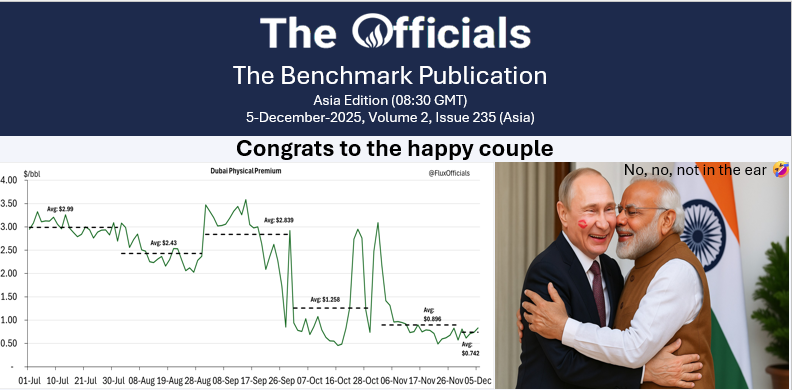
Oil prices experienced a notable decline on Tuesday following the announcement that Ukraine has largely reached a peace agreement, with only a few minor details remaining to be finalised. This development has prompted a bearish sentiment in the market, as traders reacted to the potential for reduced geopolitical tensions in the region, which has been a significant factor influencing oil prices over the past year.
In recent trading sessions, the U.S. benchmark West Texas Intermediate (WTI) crude futures fell by over 1%, dipping below the $60 per barrel mark. Meanwhile, the international benchmark, Brent Crude, also saw a decline, reflecting a broader trend of falling prices across the oil market. Analysts suggest that the peace agreement could lead to a stabilisation of supply chains that have been disrupted by the ongoing conflict, potentially increasing global oil supply and further pressuring prices downward.
The market’s reaction to the peace deal underscores the intricate relationship between geopolitical events and energy prices. The conflict in Ukraine has not only affected regional stability but has also had far-reaching implications for global energy markets, particularly in Europe, where reliance on Russian oil and gas has been a contentious issue. With the prospect of peace, European nations may find themselves reassessing their energy strategies, possibly leading to a shift in demand dynamics.
Furthermore, the announcement comes at a time when the oil market is already grappling with a complex landscape of supply and demand. Recent data has indicated a mixed outlook for global oil consumption, with some regions experiencing robust demand recovery while others remain sluggish. The ongoing transition to renewable energy sources and the increasing focus on sustainability are also contributing to a more volatile market environment.
Industry experts are closely monitoring the situation, as the implications of the peace deal could extend beyond immediate price fluctuations. If stability is restored in Ukraine, it may pave the way for increased investment in the region’s energy infrastructure, potentially enhancing production capabilities and altering the balance of power in global energy markets.